

“Bamboo” is one of the most popular words on pillow, duvet and mattress protector labels. For buyers it is also one of the most confusing. Bamboo is a plant, not a single fibre, and what ends up in a fabric or filling depends on how the plant is processed. This guide explains the basics and what to check before you order bamboo bedding for a hotel or a retail range.
From plant to fibre
Most bamboo used in textiles is turned into a regenerated cellulose fibre. The bamboo is pulped, the cellulose is dissolved and then spun back into a fibre. Depending on the process, the result is a viscose (also called rayon) or a lyocell fibre. A much smaller share of bamboo is processed mechanically into a coarser fibre that is closer to linen.
For bedding, this matters because the comfort properties people associate with “bamboo” come from the cellulose fibre: a soft handfeel, good moisture absorption and a breathable feel. In Seral's product descriptions we describe bamboo fibre as a cellulose fibre made from the bamboo plant that absorbs moisture and releases it quickly, with a feel often compared to silk.
What the label has to say
Fibre names on labels are regulated, and “bamboo” on its own is usually not an accepted fibre name.
- European Union. Regulation (EU) No 1007/2011 on textile fibre names allows only the fibre names listed in its Annex I. “Bamboo” is not on that list. A bamboo-derived regenerated fibre is labelled by its fibre type, for example viscose or lyocell.
- United States. The Federal Trade Commission says a textile can be called bamboo only if it is made directly from actual bamboo fibre. Rayon or viscose made with bamboo as the plant source may be labelled “rayon (or viscose) made from bamboo”. The FTC has taken action against sellers who labelled rayon products simply as “bamboo”.
Marketing text and product names can still refer to the bamboo origin. The legal fibre composition on the sewn-in label is what has to follow the rules of the market where the product is sold. If you sell under your own brand, you are usually responsible for that label, so agree the wording with your supplier before production. Our guide to Turkish textile label terms may help when you review supplier documents.
Bamboo in Seral's range
Seral uses bamboo-derived fibre in fabrics and fillings, usually blended with cotton or microgel:
| Product | Fabric | Filling |
|---|---|---|
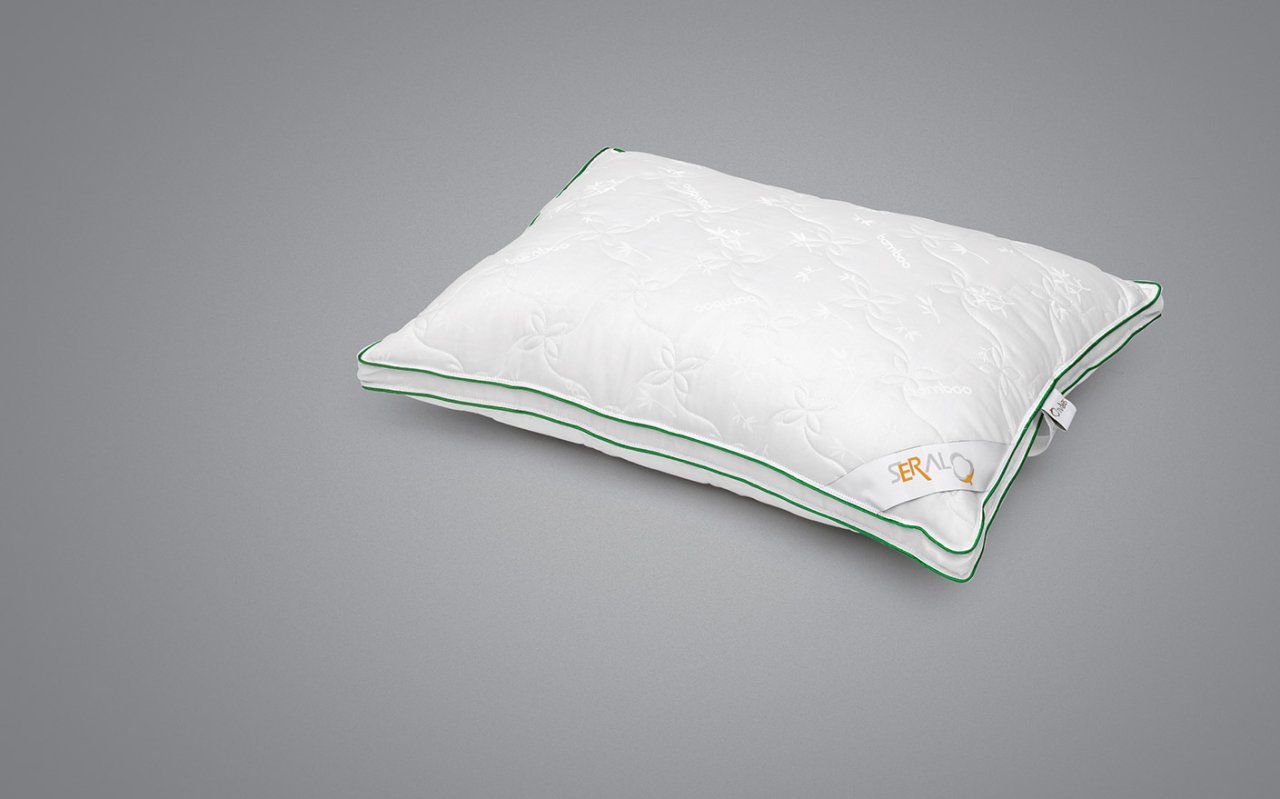
| Bamboo Pillow P108 and Bamboo Duvet Q208 | 35% bamboo, 65% cotton | 50% bamboo, 50% microgel |
| Bamboo Pillow P109 and Bamboo Duvet Q209 | 30% bamboo, 70% cotton | 30% bamboo, 70% microgel |
| Bamboo Mattress Protector MPR412 | 70% bamboo, 30% polyester | – |
| Bamboo Wadding and Bamboo Fibre | Bulk filling materials for manufacturers | |
The percentages above are as shown on the product pages. When you order, ask for the fibre composition in the exact wording required for your market's label.
What to ask before you order
- Fibre type. Is the bamboo content viscose, lyocell or mechanically processed fibre? This decides the legal fibre name.
- Exact blend. Ask for the percentage of each fibre in the fabric and in the filling separately. A “bamboo pillow” may have bamboo in the cover, the filling or both.
- Label wording. Agree the fibre names and percentages for your market (EU, UK, US or other) before production.
- Certificates. If you need a product certificate such as OEKO-TEX® STANDARD 100, ask for the certificate number and check that it covers the specific product. See Seral's certificates.
- Care. Cellulose fibres and cotton blends behave differently from polyester in industrial laundries. Ask for the care label and test a sample in your own laundry. Our hotel pillow and duvet care guide covers the basics.
- Claims. Be careful with health or antibacterial claims in your own marketing. Use only claims your supplier can document.
For a wider comparison of natural and synthetic fillings, read pillow and duvet fillings explained and TENCEL™ lyocell bedding explained.
Next steps
Browse Seral's pillows and duvets, or see our private label service if you need bedding under your own brand. For samples and a quote, contact Seral with your sizes and quantities.