
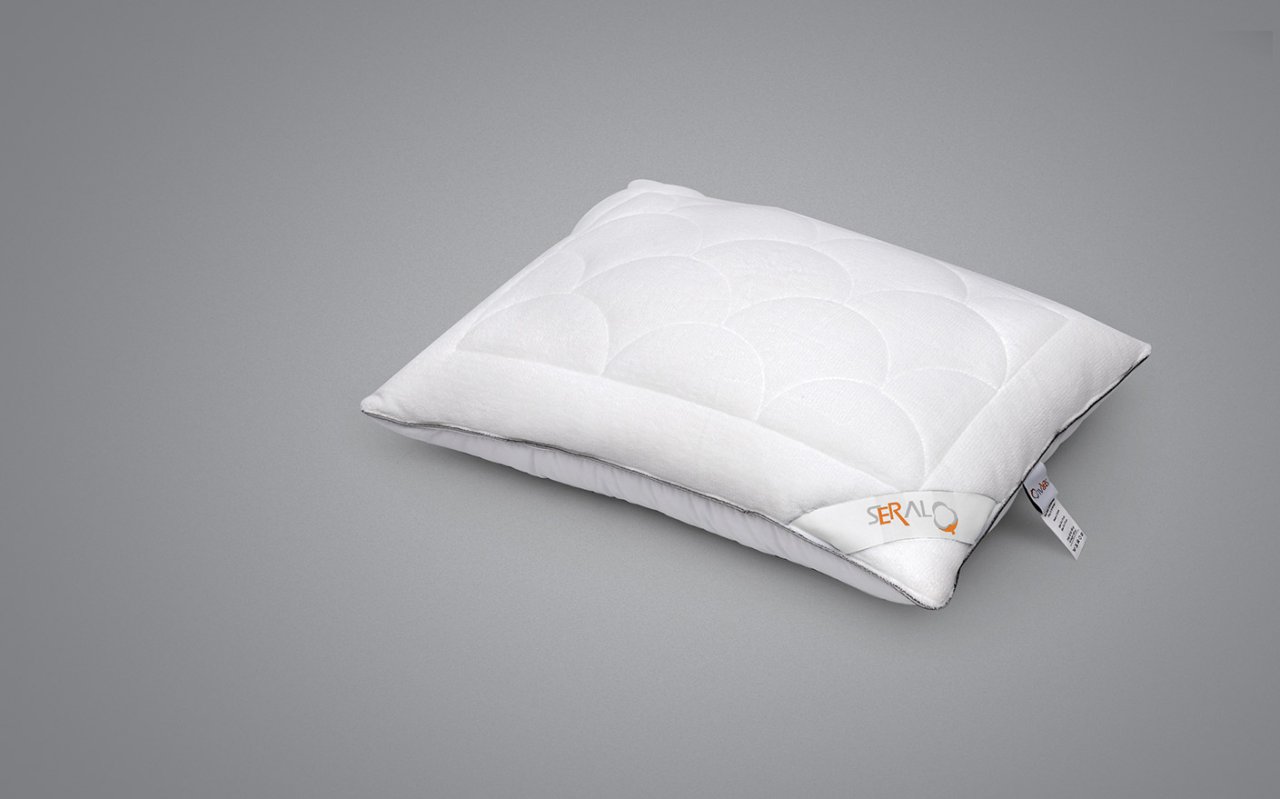


How long should a pillow or duvet last? You will find many fixed answers online, but the honest answer is: it depends on the filling, the quality, how well it is protected and how it is washed. A well-protected down duvet can last many years; a cheap pillow that is washed hard every week may need replacing much sooner. Rather than a fixed calendar, hotels do better with clear signs and a simple record.
Signs a pillow needs replacing
- It stays flat. If the pillow does not recover its shape after shaking and plumping, the filling has lost its loft.
- Lumps or thin areas. Filling that has clumped or moved leaves uneven support.
- Stains on the pillow itself. Yellowing or marks that remain after washing mean moisture has reached the filling.
- Odour after washing. A pillow that still smells after a correct wash and full drying should be retired.
- Damaged fabric. Torn seams, holes or filling coming through the fabric.
- Guest comments. Repeated feedback about flat or uncomfortable pillows is a clear signal.
A simple check used by many housekeepers for synthetic pillows: fold the pillow in half and let go. A pillow in good condition springs back; one that stays folded has lost its support. Down pillows behave differently and are better judged by loft and feel after plumping.
Signs a duvet needs replacing
- Filling has shifted into corners or channels and does not redistribute when shaken
- The duvet feels noticeably thinner or less warm than new stock of the same type
- Stains, odour or damage that remain after correct washing
- For down duvets, feathers regularly coming through the fabric
What makes pillows and duvets last longer
- Protectors and covers on every pillow and duvet. See pillow protectors vs pillowcases.
- The right washing and complete drying, as set out in our care guide.
- A filling that suits your laundry. Choose fillings and fabrics that can handle your washing conditions. See pillow and duvet fillings explained.
- Rotation. Rotating stock between rooms and storage spreads wear evenly.
Planning replacement in a hotel
- Record purchases by batch. Note the date, product and quantity for each delivery.
- Set a check routine. Ask housekeeping to inspect pillows and duvets at every linen change and set aside items that show the signs above.
- Keep a buffer stock. Replace items as soon as they fail rather than waiting for a full refurbishment.
- Review once or twice a year. Look at how many items were retired and why. If one product fails early, change the specification, not just the stock.
- Reorder the same specification. Keep your specification on file so that new stock matches the old in size, filling and feel.
Disposal
Check local rules and options for textile collection or recycling before disposing of large quantities of bedding.
Next steps
Planning a replacement order? Browse our pillows and duvets, or contact us with your specification and quantities.