
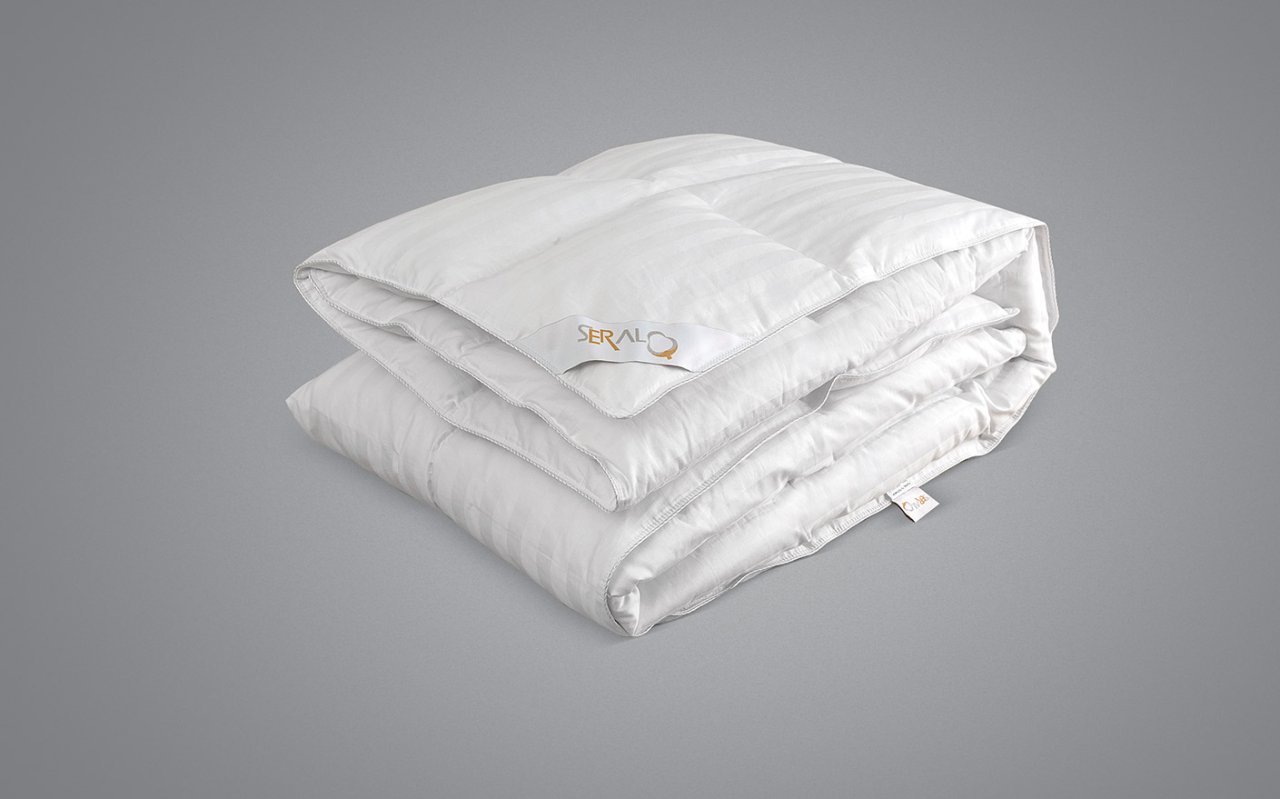


A guest may never notice the carpet, but they will notice the pillow. Pillows and duvets are among the few products in a hotel that every guest touches every night, and they have to stay fresh and comfortable through repeated use and laundering. Choosing them well is therefore a balance between comfort, durability, hygiene and cost over the whole life of the product.
This guide is written for hotel purchasing managers, housekeeping teams and private label buyers who need to specify hotel pillows and duvets with confidence. It explains the main fillings and shell fabrics, what to look for on a specification sheet, and the questions worth asking any bedding manufacturer before you place an order.
Start with your guests, your climate and your laundry
Before comparing fillings, write down how the bedding will actually be used. Four questions shape almost every decision:
- Who are your guests? A business hotel, a resort and a hospital ward have very different expectations. A practical approach is to put one standard pillow on every bed and keep an alternative available on request, for example a firmer pillow or a non-down option.
- What is the climate and room temperature? A duvet that is perfect in an air-conditioned city hotel may be too warm in a coastal resort, or too light in a mountain lodge in winter.
- How will the bedding be cleaned? In-house laundry, an external laundry partner or a mix of both? Check the washing and drying conditions against the care label of every product you shortlist.
- What is the replacement plan? The cheapest product per unit is not always the cheapest per night of use. Durability in your laundry conditions matters as much as the purchase price.
Hotel pillow and duvet fillings compared
The filling determines how a pillow or duvet feels, how warm it is, how it behaves in the wash and how it should be labelled. These are the main options used in hotel bedding.
Goose down and feather
Down is the soft, light cluster that grows beneath the outer feathers of waterfowl; feathers have a quill and give support and body. The proportion of down to feather defines the character of the product: the higher the share of down, the lighter, softer and warmer it feels, while a higher share of feather gives a firmer, more supportive pillow.
That is why down products are described by their blend. Seral's range, for example, includes a goose down pillow with 90% down and 10% feather, a duvet with 60% down and 40% feather and a pillow with 5% down and 95% feather for buyers who want a firmer feather pillow.
In Europe, the composition of down and feather fillings is labelled according to the standard EN 12934, which requires the proportions of down and feather to be stated by weight. If you buy down bedding, ask your supplier how the composition is declared on the label and request the supporting documentation.
Wool
Wool is a natural, renewable fibre that insulates against both heat and cold and helps to regulate humidity, so it suits guests who tend to feel too hot or too cold under synthetic duvets. Wool-filled products generally need more careful laundering than synthetics, so always confirm the care instructions before choosing wool for high-turnover rooms. See, for example, the Wool Duvet Q202 with a 100% cotton shell.
Microgel and silicone fibre
Microgel is a very fine synthetic fibre designed to feel soft and light, close to the handle of down, which makes it a non-down alternative. Silicone fibre is a siliconised synthetic fibre that keeps the filling smooth and lofty and stops it from clumping. Synthetic fillings are a practical choice for guests who prefer not to sleep on animal-derived fillings, and they are often easier to launder than natural fillings; always check the care label for the exact conditions.
Examples include the Microgel Pillow P137, the Microgel Duvet Q237 and the Ranforce Pillow P130 with silicone fibre filling.
Ball fibre
Ball fibre is a synthetic fibre processed into small spherical clusters. Because the clusters recover their shape well after pressure and leave air between them, ball fibre gives pillows a full, plump look and helps prevent the filling from flattening.
Natural and blended fillings
Blends combine a natural or cellulosic fibre with a synthetic one, for example bamboo, TENCEL™ or soybean fibre mixed with microgel. They let you offer a distinctive product story while keeping the easy handling of a synthetic base. Ask for the exact percentages of each fibre, as these must match the label.
Fillings at a glance
| Filling | Typical feel | Points to check before buying |
|---|---|---|
| Goose down and feather | Light and soft with high down; firmer with high feather | Down/feather ratio by weight, labelling, laundering conditions |
| Wool | Natural, breathable, regulates temperature | Care instructions and suitability for your laundry |
| Microgel | Soft and light, a down-like synthetic | Fill weight, care label, recovery after washing |
| Silicone fibre | Smooth, lofty, resists clumping | Fill weight and firmness for your guests |
| Ball fibre | Full and plump, recovers shape well | Fill weight and firmness |
| Blends (bamboo, TENCEL™, soy) | Depends on the blend | Exact fibre percentages on the label |
Choosing the shell fabric
The shell fabric, or ticking, holds the filling in place and is the first thing guests feel through the pillowcase. It also has to survive repeated laundering.
- 100% cotton is the classic choice for hotel pillows and duvets: breathable, comfortable and familiar to guests. Down and feather products need a tightly woven fabric to keep the filling inside.
- Percale and ranforce are plain weaves, where the threads cross over and under one another one at a time. They give a crisp, matte finish that is widely used in hotel bedding.
- Jacquard fabrics have a pattern woven into the cloth, which adds a premium look to pillows and duvets that guests may see when making the bed.
- Microfibre shells are soft, light and often chosen for synthetic products and for easy-care ranges.
- TENCEL™ and cotton blends combine a cellulosic fibre with cotton for a smooth handle.
A note on thread count: it measures the number of threads woven into one square inch of fabric. It is a useful figure, but it is not the only measure of quality. The fibre, the yarn and the weave matter just as much, so compare complete fabric specifications rather than thread count alone.
Protect the investment: protectors and pads
Pillows and duvets last longer when they are protected. A pillow protector between the pillow and the pillowcase helps keep the pillow clean, and a mattress protector or mattress pad does the same for the mattress. For rooms where spills are a concern, laminated protectors such as the Ranforce Laminated Mattress Protector MPR407 combine a cotton surface with a water-repellent lamination.
A specification checklist for hotel bedding
Whether you are buying from a catalogue or developing your own product, agree these points in writing before production:
- Dimensions of every pillow and duvet, in centimetres, matched to your beds and to your pillowcases and duvet covers.
- Filling composition by percentage, and for down products the down/feather ratio by weight.
- Fill weight in grams per product, which drives loft, warmth and firmness.
- Shell fabric composition, weave and finish.
- Construction details such as piping, stitching and channels or quilting on duvets.
- Care label and washing instructions that work with your laundry process.
- Labelling and documents you need for your market.
- Samples to test in a guest room and through your own laundry cycle before ordering in volume.
- Packaging, lead time and minimum order quantity.
- Branding: whether you need your own labels and packaging under a private label programme.
Working with a manufacturer in Türkiye
Seral's roots go back to a quilt-making workshop in Istanbul in the 1920s. The company invested in cotton carding in 1982, brought all of its workshops together in a new factory in Samsun Organised Industrial Zone in 2006 and today operates three production facilities. Its range covers pillows, duvets, mattress protectors and pads, bedspreads, comforter sets, baby bedding and orthopaedic pillows.
Seral also produces its own fibre and wadding, the filling materials used inside pillows, duvets and mattress pads. For buyers, working directly with a manufacturer makes it easier to agree on fillings, fabrics, dimensions and labelling, and to develop products under your own brand.
Frequently asked questions
What is the best filling for hotel pillows?
There is no single best filling. Down and feather pillows offer a classic luxury feel, while microgel and silicone fibre pillows give you an easy-care, non-down option. A practical approach is to stock one standard pillow and an alternative, so that guests can choose.
What should I offer guests who do not want down?
Keep a synthetic option, such as a microgel or silicone fibre pillow, available on request, and make sure housekeeping knows which pillows are down-free.
How do I know what is inside a down pillow or duvet?
Check the label. In Europe, down and feather fillings are labelled according to EN 12934, which requires the proportions of down and feather to be stated by weight. Ask your supplier for the composition and the supporting documents.
Can I order hotel pillows and duvets under my own brand?
Yes. Seral produces pillows, duvets and mattress protectors for private label customers. Contact our team with your specifications.
Next steps
Explore our product range, download the hotel collection catalogue, or contact Seral to discuss samples and specifications for your hotel or brand.