
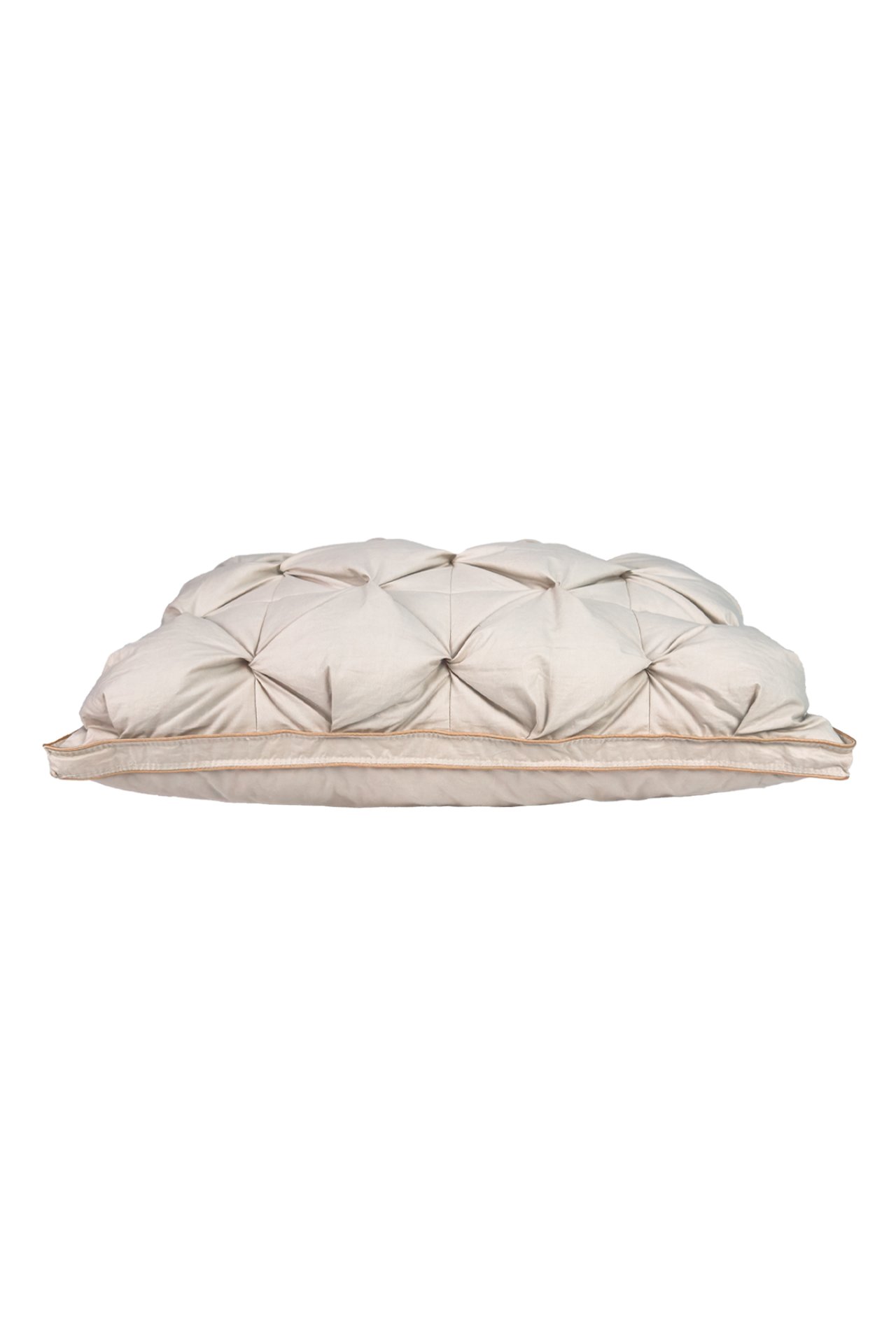


Pillows and duvets last much longer when they are protected, aired and washed in the right way. In a hotel, good care also keeps rooms fresh between deep cleans and spreads replacement costs over more years. This guide sets out a simple routine for housekeeping and laundry teams.
Start with the care label
Every pillow and duvet should carry a care label with washing temperature, drying and other instructions. The label is the manufacturer's instruction for that specific product: follow it first. When you buy for a hotel, tell the supplier how your laundry works (on-site or external, machine sizes, temperatures, drying method) so they can recommend products that suit it.
Protect first, wash less
The easiest way to keep pillows and duvets clean is to stop them getting dirty. Pillow protectors and duvet covers take the daily wear and are changed often; the pillow or duvet inside needs washing far less. See pillow protectors vs pillowcases and our mattress protector guide.
Daily and weekly routine
- Air the bed. Folding back the duvet for a while lets moisture escape before the bed is made.
- Shake and plump. Shaking pillows and duvets redistributes the filling and restores loft.
- Check while changing linen. Housekeeping can spot stains, tears, lumps or flat pillows when the protector is changed and set them aside.
Washing by filling type
| Filling | Washing | Drying |
|---|---|---|
| Down and feather | Gentle cycle with a mild detergent and a reduced dose; wash separately | Dry straight away at low heat until completely dry; drying balls help break up clumps |
| Polyester fibre and microgel | Usually machine washable; follow the label temperature | Tumble dry or air dry as the label allows; dries relatively quickly |
| Wool | Only if the label says washable; many wool products need gentle washing or specialist cleaning | Dry flat or as instructed; avoid high heat |
As an example of typical retail guidance, IKEA recommends washing down and feather duvets separately on a delicate 60°C cycle with about a third of the usual detergent, then drying straight away on low heat. Your product's label always takes priority.
Dry completely
The most common care mistake is putting pillows and duvets back into use before they are fully dry. Damp filling clumps, smells and can be damaged. Down and wool take longest. Check the inside of the filling, not just the surface, before returning items to rooms.
Storage of spare stock
- Store only clean, completely dry items.
- Use breathable bags or covers rather than sealed plastic for long periods.
- Keep stock off the floor in a dry, ventilated room.
- Label shelves by size and filling so the right items go to the right rooms.
Keep a simple record
Record when each batch was bought and washed. This helps you plan replacement, which we cover in when to replace hotel pillows and duvets.
Next steps
Tell us about your laundry conditions through our contact page, and we will suggest pillows, duvets and protectors that suit them.